Gluten Free Whole Food Nourishment

When we understand the basics of whole food eating, it doesn’t matter how we then choose to nourish our body cells:
Gluten free
Vegetarian and every version of vegetarian / vegan eating
Carnivore
LocalVore
Etc.
I will refer you to whole food eating to brush up on nourishing your body cells vibrantly well. If you are on Facebook, this post from Functional Medicine Dr. Hyman, has great images and words that make the “food = nourishment” wisdom very clear. I will continue to teach that Food IS Your Best Medicine and what we need to return to for prevention and healing.
People chose to avoid gluten for many reasons. Celiac disease requires 100% gluten free as people with celiac disease have serious immune reactions to gluten. These reaction cause damage to the small intestine with resulting chronic issues of diarrhea, constipation, nutrient malabsorption leading to deficiencies, chronic fatigue (think nutritional deficiencies), weight loss wasting (and I have worked with clients who actually have had excess weight problems from celiac), iron and B12 anemias, osteoporosis (mineral deficiencies), on and on.
Other personal choices to avoid gluten and wheat include:
Auto-immune conditions, gluten triggers a form of leaky gut syndrome and resulting irritation to the immune system
Inflammatory issues
Avoidance of all grains for health reasons
Cancer
Food sensitivities and allergies, often combined with auto-immune concerns
A package label stating a food product is gluten free does not equal cell nourishing food. Many gluten-free products are highly processed, made with refined ingredients that lack nutritional value. Yes, this is important. Nourishment in = vibrant body cells. There are thousands of gluten free products on the market: cakes, cookies, breads, pizza crusts, crackers, pastas, boxed mixes, etc. Learning to read labels is a self- healing practice. Many of these gluten free products are full of fillers. The “fillers” in question are certainly gluten free, but they are also refined, nutritionally devoid foods. If the natural, whole food nutrition is not in the food, the refined food product ingredients will deplete your body cells of nutrients and contribute to degenerative diseases.
Processing foods eaten through the body, actual digestion, uses nutrient stores. The food we eat is meant to replace the stores. This replacement of nutrients used for metabolic processes, keeps our body cell stores whole and balanced. If the nutrition is not in the food, it is like a constant draining of a savings account, without also making deposits.
Read gluten free ingredient labels (all manufactured food labels) for:
white rice flour (the better of the starchy type ingredients),
corn starch*,
potato starch*,
tapioca starch*,
tapioca flour*,
potato flour*.
*These are filler ingredients not whole food with nourishing vitamins and minerals.
These fillers create a host of health problems, including blood sugar and insulin issues that contribute to inflammation and exacerbate health issues.
Gluten is a natural part of wheat, barley, rye, spelt, Kamut, einkorn, and any other varieties of wheat. Oats do not naturally contain gluten. They are contaminated in the harvesting and handling process as the same equipment is used causing cross contamination. Certified gluten free oats solve this contamination problem. 98% of the wheat in the US is ground and refined into flour: all purpose, cake, bleached, and unbleached. These are all refined flours.
Why avoid wheat, gluten, and gluten containing grains?
Wheat has been crossbred for many reasons:
Creating shorter stalks to prevent wheat berry loss as the tall wheat stalks blow in the wind. Modern wheat varieties are far from the heritage wheats our ancestors consumed. This cross breeding, creating hybrid strains, has changed the nutritional value and composition of the wheat. Modern wheat is much higher in gluten as compared to wheat’s heritage counterpart. The old seed varieties, that have not been cross bred, are low gluten grains. Example: einkorn wheat.
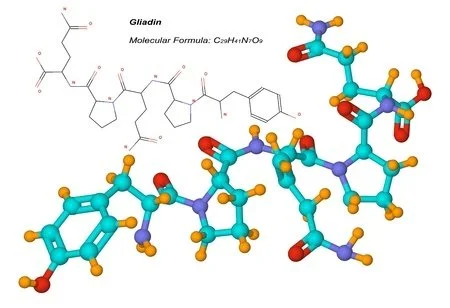
Gluten is the protein part of the grain. Wheat has been cross bred to increase the gluten. More gluten means higher rising, lighter, fluffier bread; the American ideal in bread and flour products. Gluten is what people have sensitivity and allergies to. Cross breeding has made this sensitivity more dramatic because of the higher levels of gluten.
Gluten causes inflammatory reactions in your gut that contribute to leaky gut syndrome. The medical terms for leaky gut syndrome are:
1. increased intestinal permeability or
2. intestinal hyperpermeability.
The body responds to increased intestinal permeability through systemic inflammation and immune activation (think auto-immune disease). Some people are very sensitive to gluten and eating wheat causes severe distress. This is the celiac disease mentioned above. Some people have low level inflammatory responses to wheat and the gluten contained within. Low level symptoms can be harder to deal with as they can be vague and impact multiple systems. People are not sure what is causing their bloating, swelling of limbs, headaches, joint pain, skin rashes, chronic cough, sinus and allergy symptoms, migraines and headaches...
More issues with wheat…
1. Wheat is no longer harvested as it once was: cut and bound and left to dry “cure” in the fields. Modern wheat is harvested and removed immediately from the fields before it has a chance to sun ripen. This, despite what agricultural authorities will tell you, changes our body’s physiological interaction with wheat.
Compare this to local, vine ripened tomatoes as compared to tomatoes grown hundreds and thousands of miles away. They are picked before ripening to survive transport and then sprayed with ethylene gas to ripen them before going onto the store shelves.
2. Our modern bread and flour products are no longer made in traditional manners: sprouting and/or fermenting with a sour dough process. Modern manufactured breads are made with yeast to rise bread quickly.
Sprouting and sour dough fermentation is desirable. These time-honored techniques change the gluten in the flour making it digestible and tolerable to most people. http://www.culturedfoodlife.com/can-sourdough-change-the-gluten-free-diet/
3. Another issue with wheat is the use of pesticides on agricultural fields. Agricultural chemical pesticides, fungicides, herbicides, insecticides, and even the chemical fertilizers become part of the soil the food is grown in. These chemicals are absorbed through the plant roots and are a part of every cell of the food grown in that soil. When chemicals are sprayed directly onto the plants, the chemicals are absorbed into the whole plant. This is just as a chemical rubbed onto your skin would be absorbed into your body, not just stay inertly on your skin surface.
Agricultural chemicals contribute to:
altering and killing off microbes that form your gut’s microbial health and
irritate and inflame your digestive tract lining contributing to that leaky gut syndrome mentioned above.
Add in the agricultural pesticides and the inflammation and auto-immune problems can get bigger. Glyphosate (Roundup®) is only one of the chemical problems.
Avoiding wheat completely helps to heal the gut and multiple whole body health issues. Wheat, and wheat-based products, are in everything from soy sauces, packaged foods like soups/stews/salad dressings and sauces of all varieties, vodka, cosmetics, glues (even the envelope glue you lick to stick). Avoiding wheat takes educating yourself, practice and..
Thickening stews, gravies, puddings, sauces, etc.:
Organic corn starch (organic avoids GMO corn) and tapioca starch. The amount of these refined starches, for thickening things, is a tiny amount compared to consuming loaves of bread and baked products made primarily from starches.
Certified organic and gluten free oat flour works but does not thicken as “thick” as wheat flour.
Very finely ground golden flax, hemp, or chia seeds also thickens foods. Be conscious of what you are making and how delicate the food’s flavor is.
Making Recipes Gluten-Free: Any recipe can be made gluten-free.
Substitute gluten free flour for the gluten containing flour. If a recipe calls for 2 cups all-purpose flour, use 1 ½ cups of whole food, gluten-free flours.
Let the batter sit for 5-10 minutes.
Stir again to decide if the consistency seems appropriate for whatever you are making. Add liquid or flour accordingly to thin or thicken the batter for cakes, cookies, bread, pancakes, etc.
Reading the Labels for Wheat and Gluten
The best way to be sure that your food does not contain wheat/gluten is to read the labels. Anything that contains monosodium glutamate (MSG), modified starches, or malt will usually contain wheat. Unless the label says otherwise, it is almost safe to assume that the product contains wheat. Certified gluten-free means wheat, rye, and barley free. Learn to read labels for whole food ingredients every single time you purchase a manufactured food product.
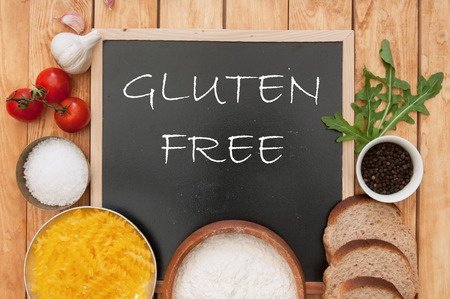
I have many recipes and much information on gluten free living:
clean gluten out of the kitchen,
eat out & grocery shop gluten free, etc.
Interested, please ask.
Action to take:
1. Keep refined ingredients out of your diet for vibrant health.
2. Read labels.
3. Always buy food products that are 100% whole food, cell nourishing ingredients.
Some of the Cell Nourishing Gluten- Free Options at the Coop: (I am sure there are more options, I need to explore the shelves regularly to stay on top of things)
In the freezer: PACHA gluten free bread and English muffins, almond flour pizza crusts (not completely refined free but handy in a pinch on occasion).
On the Shelf: Maine Crisp Buckwheat crackers, several flavors. Field Day Organic Brown Rice Pastas in many sizes and shapes for all of your cooking needs. Lotus Foods Pad Thai Noodles: both brown and white rice varieties, sometimes purple rice too!
Available through the buying club: Lotus Foods Buckwheat and Brown Rice Soba Noodles, comes in a box of six packages of 8 oz. noodles.
Information is from my wisdom, research, training, and experience in western medicine and wholistic modalities. My views are not necessarily the views of the Potsdam Food Co-op. When we make choices about our health, use other’s advice, and make choices based upon that advice; we are taking our health into our own hands. Our choices, and any actions that result from said choices, are our own responsibility. Using herbs wisely, as food and medicine, requires hands on learning and working with a trained herbalist while your own knowledge is being created.
Yes, this is my disclaimer. -Paula Youmell, RN
