Wild Plants: Nourishing Food AND Medicine
Written by Paula Youmell, RN
Spring bestows wonderful green plants shooting out of the earth into our yards, the woods, and fields. Wild plants remind me of the ever changing and newness of life, the bounty of good food right outside of our home doors, and the nutritional value and healing properties of what many consider weeds.
Coming Soon to a lawn or wild place near you:
Wild leeks: Spring time parasite cleanse to rebalance gut microbial health after a long Winter
Dandelion greens and flowers: liver love
Stinging Nettle early shoots: deep nourishment for every body cell
Plantain leaves: greens, chlorophyll, skin medicine
Rhubarb shoots: constipation, gut fiber to balance gut microbes, Spring cleansing and invigorating the digestive system
Wild Violets: Vitamin C
These above “benefits” of the plants are very simplified and reductive. I went into a bit more detail below. Plants hold so much wisdom, nourishment, and medicine. I always recommend grabbing a good book on Wild Yard Edibles and Medicines and reading up to learn and grown in how we think about food, medicine, and healing our bodies.
Spring edibles awaken our taste buds, stimulate our livers and digestive tracts, provide Spring vitamin C, and support the nourishment our body cells. The nutrients in wild plants adds to our nutritional stores and sparks life into our digestive tracts and blood after a long Winter.
Traditionally wild plants were revered for their freshness of nutrients, aiding circulation and liver health, contributing to potential parasite cleansing, and adding vitamin C after a Winter of storage foods. Generally speaking, they are all anti-inflammatory foods.
As an avid yard and woodland harvester, I also know it is wise to be very knowledgeable about what you are harvesting. I recommend using a plant identifying app on your phone for narrowing down the possibilities. Then use this information to look closely in your wild edible books. Maybe pal up with someone knowledgeable and learn from them. Positive identification is always best.
The above list of plants are very common and well known Spring foods, are easy to identify, and without any similar plants that are a problematic look alike. With wild foraging, even in your own yard, it is a good policy to only harvest 5-10% of the available plants. Overharvesting and wiping out wild plant populations is akin to clear cutting a forest of the trees. For example, if year after year a person returns to the same wild leek area in a wooded area and digs up whole patches of the leeks, regrowth cannot happen. If one digs only 5-10% of a patch and moves on to other areas and also does not return to the same area year after year, Nature can slowly regenerate the plants taken. When plants become popular superfoods, or whatever current fad word is used in labeling, wild plants get harvested in thoughtless, money driven frenzies. Conscious harvesting prevents wiping out plant species.
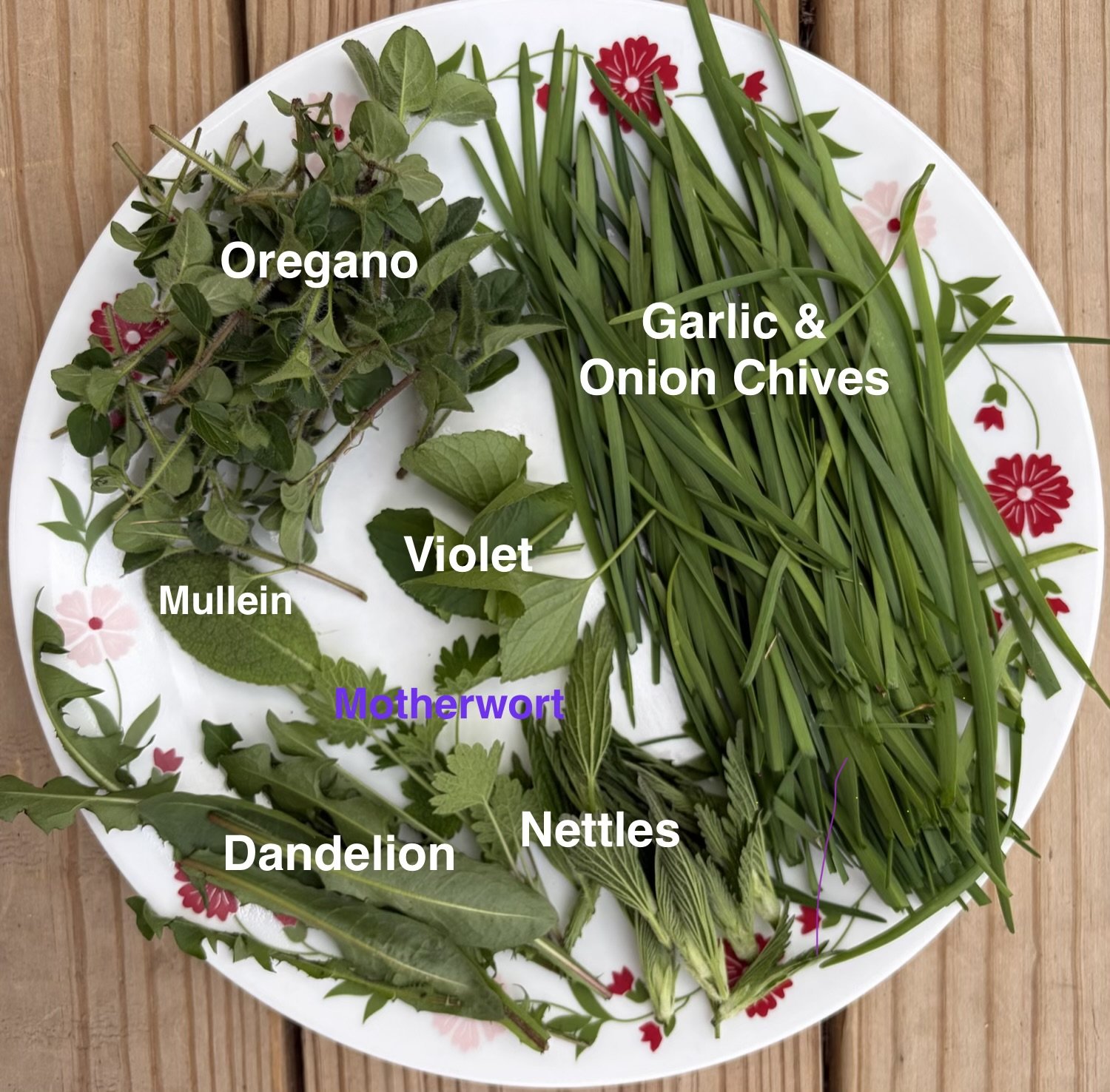
I will share very simple benefits of the above-mentioned wild plants. For in-depth information on wild plants, purchase a filed guide (or two) specific for the geographical area that you live in.
Wild leeks: Onions/garlic family; good for circulation, digestion, clearing non-beneficial intestinal microbes and promoting beneficial gut microbes, immune system boost, vitamin C rich, support cancer prevention.
Dandelion greens and flowers: Bitter food medicine that is stimulating to the liver and gallbladder, promotes healthy bowel movements, beta carotene rich, mineral and potassium rich, promote healthy gut microbial population.
Stinging Nettle: Do not eat these raw. Protect your hands while harvesting if you want to avoid the tingle of Stinging Nettles ‘sting’ that can last for 24 hours. High in vitamins, minerals, anti-oxidants, and carotenes; great for constipation, supports calming seasonal allergies, high blood pressure support, anti-inflammatory.
Plantain leaves: Excellent source of fiber, vitamins, and minerals. Antimicrobial, antioxidant, anti-inflammatory, anti-tumor properties, boosts the immune system, treats ulcers (topical and internal), relieves diarrhea.
Rhubarb shoots: Vitamin K for bone health and blood clotting; contains plant constituents that are cancer preventative, lower cholesterol, anti-inflammatory, lower high blood pressure, promote eye and brain health.
Wild Violet leaves and flowers: Vitamin C boost when eaten raw. *Making an herbal tea they are used to promote sleep and clear lung congestion. High in carotenes, support immune health, and anti-inflammatory.
*Proper herbal tea preparation is a must to get the best benefits from your wild plants or dried herbs. A quick steep of 3-5 minutes, as if one was making black or green tea, does not do the trick of imparting the plant’s medicine into your herbal infusion. Read up on proper infusion preparation and enjoy making your own gentle kitchen medicines. I provided a link, in highlight above, to instructions for herbal infusion making.
Cream of Spring Greens Soup
I gather several kinds of Spring greens: dandelion, plantain, lamb’s quarters, nettles, mustard greens, sorrel, violets... the list goes on. Learn to positively identify any you use, harvest consciously, and enjoy making Spring foods.
I gently wash them, throw them in my blender with some raw goat’s milk (use whatever liquid works for you) and wild leek shoots and leaves. Blend into a puree and warm gently. Do not boil. Add unrefined salt, to taste, and enjoy.
You can also sauté the wild leek, ever so gently, then toss in the greens and sauté for1-2 minutes before blending.
Easy greens to start with are dandelion, plantain, nettles, and violets.
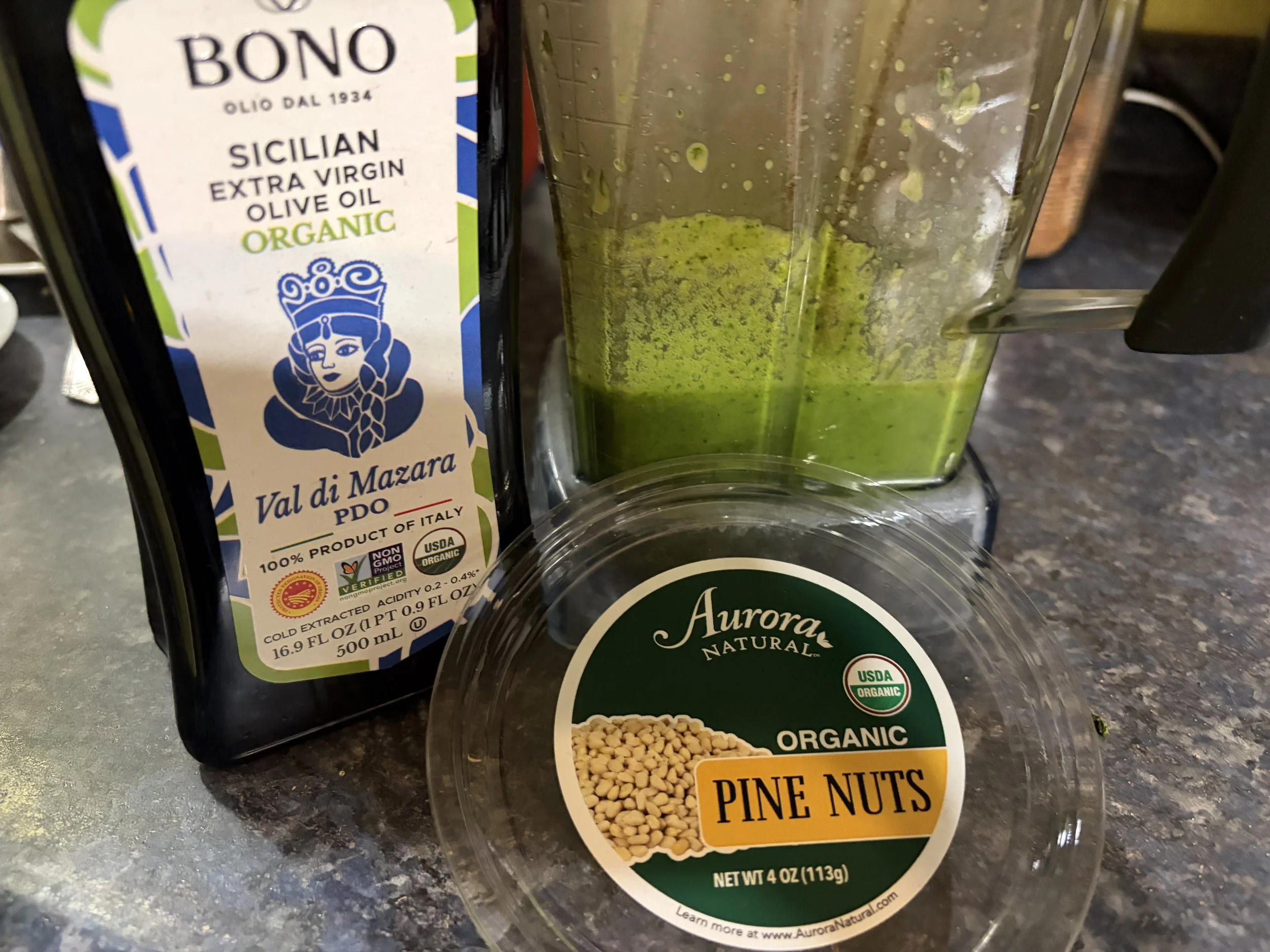
Wild Plant Pesto:
Gather small handfuls of each plant:
Dandelion
Nettle tops
Wild Violets
1 Wild Leek: this replaces garlic cloves. I recommend 1 as they are strong flavored especially if you are also using the white bulb root.
Plantain: chose the young, small, tender ones as they are less stringy
Add to the above mix some fresh herbs like Oregano. I choose Oregano because it is an early annual plant to come up in your herb garden. Gather large handfuls as this will be the main herb in your pesto.
You can also buy fresh Basil, if available, to make a more traditional pesto.
I use 2 cups of this “main” herb.
1. Place all of your herbs, including wild plant herbs, into the blender
2. Add ½ cup olive oil
3. Add 1/3 cup Pine Nuts or Walnuts
4. Blend into whatever smoothness of consistency you prefer your pesto to be.
Use this pesto to:
Spread on toast and top with an egg.
Make an omelet and add pesto just before adding cheese and folding over the omelet long enough to melt the cheese.
So many other great ways to use pesto… have fun and know you are adding deeply nourishing wild plants to your diet.
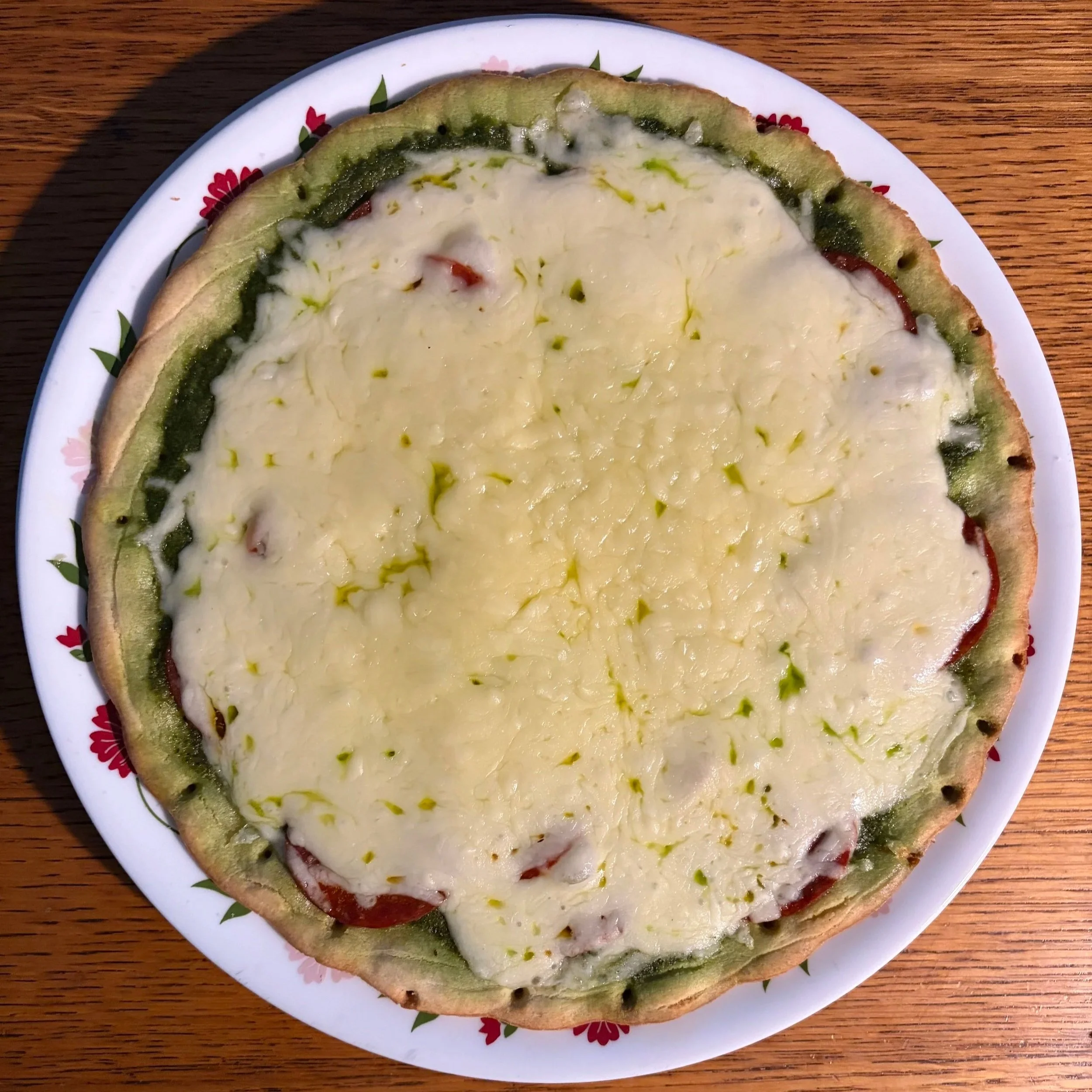
Pesto Pizza
Make pizza, I recommend cooking the crust first, adding the pesto and toppings and cheese and just do a quick 5-7 minute bake to melt cheese.
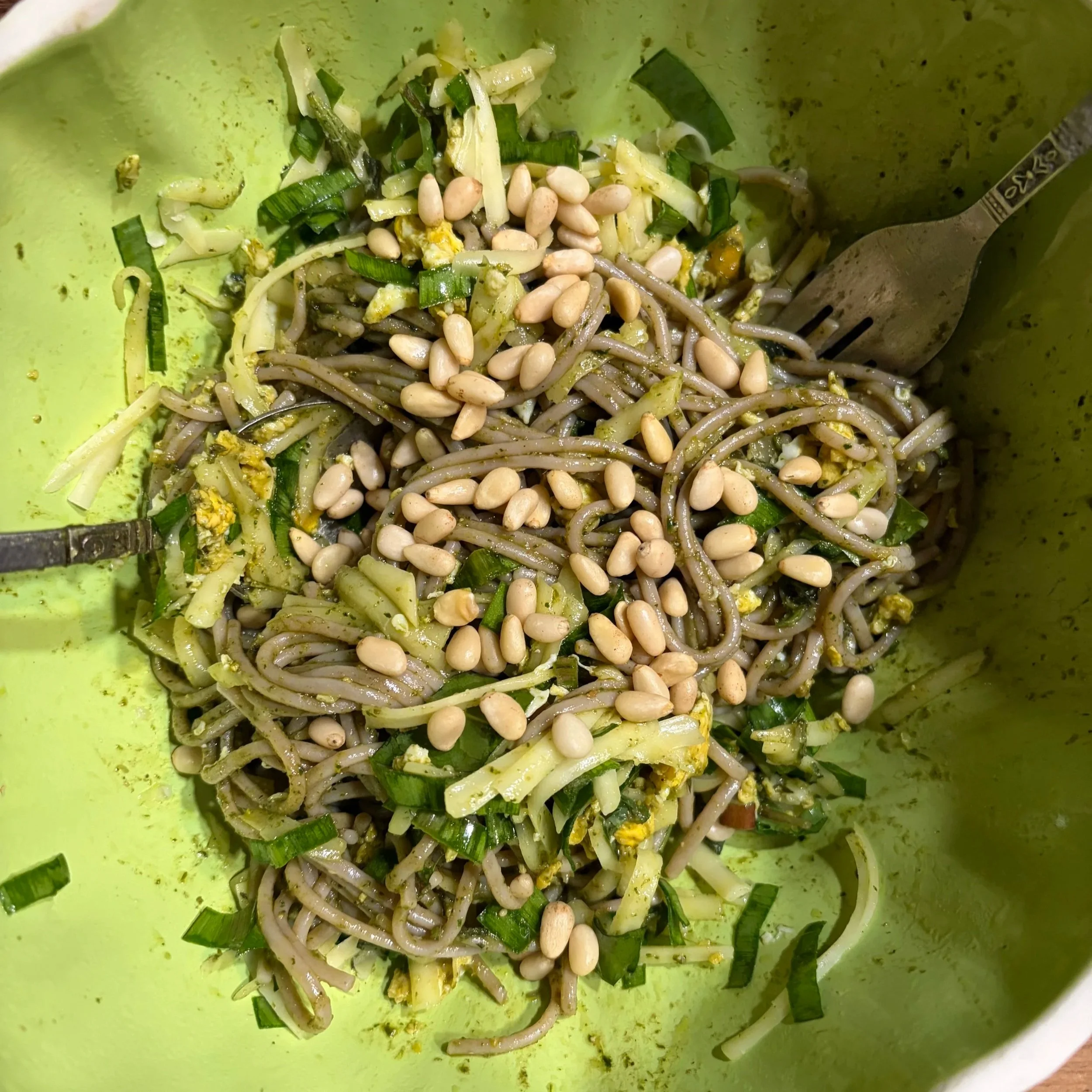
Pesto Pasta
On pasta with beans, sausage or other meat chunks, and a strong grated cheese such as Romano, Parmesan, or Asiago. The pesto is quite friendly to stronger cheeses.
Another Spring eating idea:
Mix them in a salad with local, mixed baby green, available now at the Co-op. Dress with raw - apple cider vinegar, organic - extra virgin olive oil and a few dried spices (parsley, oregano, thyme, rosemary, basil).
Add Wild plants to stir fries and Spring stews for another nourishing way to enjoy these early Spring nourishing plants.
Thoughtfulness around using wild greens, wild plant as food: If you are not accustomed to a new food, consume in small amounts and increase the dose / serving over time. The deep nourishment of some wild foods, in some people’s systems, can be a bit much if over eaten when you have never had them before: liver stimulation and the bile rush resulting in diarrhea is what I am talking about. With all new things being ingested: go low and slow. This means low dose and slow increase over time. Enjoy.
Information is from my wisdom, research, training, and experience in western medicine and holistic modalities. My views are not necessarily the views of the Potsdam Food Co-op. When we make choices about our health, use other’s advice, and make choices based upon that advice; we are taking our health into our own hands. Our choices, and any actions that result from said choices, are our own responsibility. Using herbs wisely, as food and medicine, requires hands on learning and working with a trained herbalist while your own knowledge is being created.
-Paula Youmell, RN
